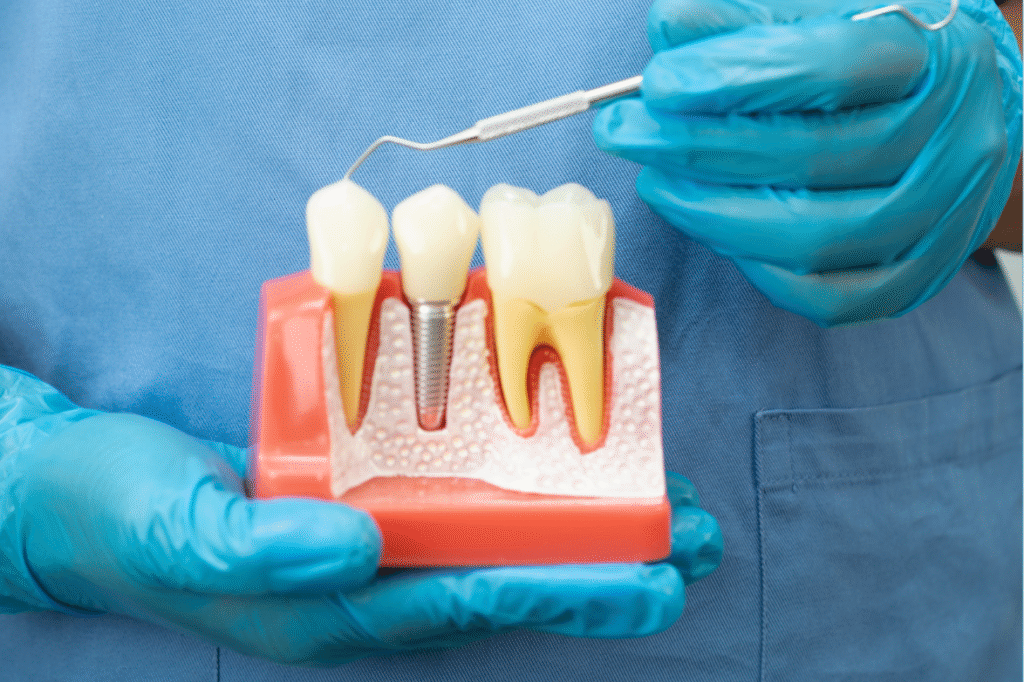
Comprehensive Guide to Tooth Replacement Options: Restoring Function and Form
Missing teeth can affect your ability to chew, speak clearly, and maintain the structural integrity of your jaw. When a tooth is lost, the surrounding bone can begin to resorb, and adjacent teeth may shift into the empty space. Addressing tooth loss promptly is an important part of maintaining optimal oral health and overall well-being.
Today, there are several clinical options for replacing missing teeth, ranging from traditional removable appliances to fixed structural replacements. With the integration of advanced digital dentistry, including precision diagnostics and treatment planning technologies commonly utilized in Korea and globally, these solutions have become increasingly predictable and natural-looking.
What Are the Clinical Options for Replacing Missing Teeth?
The appropriate tooth replacement option depends on various factors, including the number of missing teeth, the condition of the remaining teeth, jawbone density, and individual health profiles. The primary methods for tooth replacement include dental implants, fixed dental bridges, and removable dentures.
A dental implant is an artificial root, typically made of titanium, that is surgically placed into the jawbone to support a replacement tooth or bridge. Over the past 40 years, dental implants have evolved into a reliable and predictable treatment modality for missing teeth.
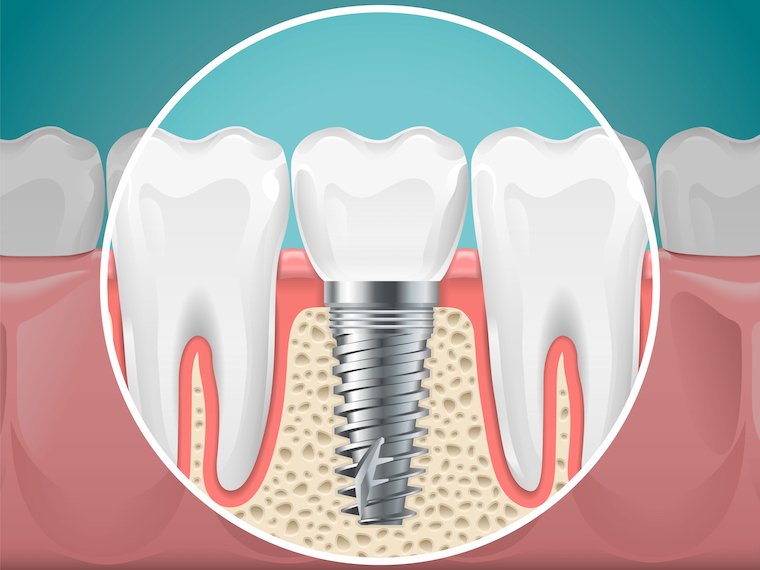
How it works: The implant fuses with the jawbone through a biological process called osseointegration. Once healed, a custom-made crown—often utilizing durable materials manufactured in Korea or other leading dental hubs—is attached to the implant to replicate the visible portion of the tooth.
Clinical Considerations:
- Bone Preservation: Implants provide functional stimulation to the bone, which helps preserve bone volume and facial structure over time.
- Adjacent Teeth: Unlike bridges, a single-tooth implant does not require the preparation or reduction of adjacent healthy teeth.
- Functionality: Clinical systematic reviews have demonstrated that dental implant restorations provide a higher degree of masticatory (chewing) function and overall effectiveness compared to traditional denture restorations.
A fixed dental bridge is a non-removable prosthesis used to replace one or more missing teeth in a row.
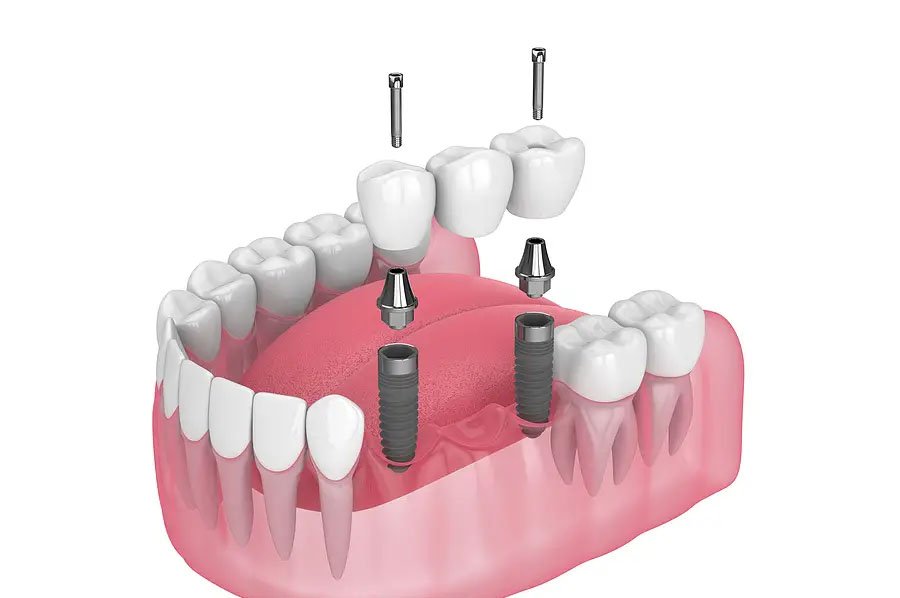
How it works: A bridge consists of an artificial tooth (pontic) anchored tightly by dental crowns placed on the healthy natural teeth adjacent to the gap.
Clinical Considerations:
- Stability: Bridges are cemented firmly in place, providing a stable chewing surface that does not slip.
- Tooth Preparation: The procedure requires the irreversible reduction of the adjacent abutment teeth to accommodate the anchoring crowns. If these abutment teeth are healthy and intact, this necessary preparation may alter their natural structure.
Dentures are removable appliances designed to replace missing teeth and surrounding oral tissues. They are available as partial dentures (when some natural teeth remain) or complete dentures (when an entire arch of teeth is missing). Historically, removable partial dentures have been one of the most widely recognized options for tooth replacement.
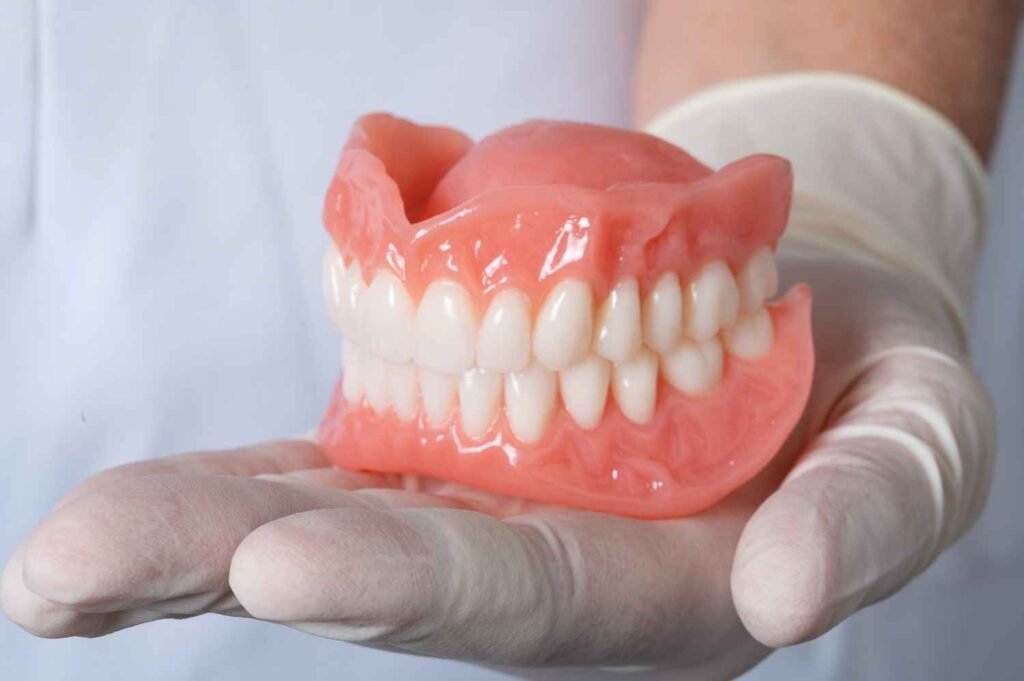
How it works: Partial dentures usually consist of replacement teeth attached to a pink or gum-colored plastic base, which is held in place by a metal framework or clasps that attach to your natural teeth.
Clinical Considerations:
- Accessibility: Dentures are generally a more accessible and non-invasive starting point for replacing multiple teeth.
- Maintenance: They require daily removal for cleaning and resting the oral tissues.
- Stability: Traditional dentures may shift slightly during speech or eating, though they can be stabilized by combining them with dental implants (known as implant-supported dentures) for improved retention.
Advanced Digital Dentistry in Tooth Replacement
Modern restorative procedures frequently utilize advanced digital dentistry to ensure clinical precision. This involves 3D imaging, intraoral scanning, and computer-aided design/computer-aided manufacturing (CAD/CAM) to plan treatments. Digital workflows allow dental professionals to map out the precise surgical placement of a dental implant or the exact dimensions of a dental veneer or crown before the physical procedure begins. This integration ensures that the clinical materials and the final restorations are tailored accurately to the patient’s specific oral anatomy.
Making an Informed Decision
Choosing the right tooth replacement option requires a comprehensive clinical evaluation. A dental professional will assess your oral health, take necessary radiographs, and discuss the technical specifications of each treatment. Whether opting for a removable denture, a fixed bridge, or a dental implant, the goal remains the same: to safely restore the anatomical function and structural integrity of your dentition.
Book your dental implant consultation with Meiplus Dentalcare today!
Meiplus Dentalcare Tanjong Pagar (Flagship Clinic)
📍1 Tanjong Pagar Plz, #02-24, S082001
📞 Tel: 6538 1400
📲 WhatsApp: 9787 1209
Meiplus Dentalcare Marine Parade
📍 141 East Coast Road S428831
📞 6514 1200
📲 WhatsApp: 8837 5481