TMJ Treatment
in Singapore
Assessment and treatment for jaw pain, clicking, and restricted jaw movement at our Tanjong Pagar and Marine Parade clinics.
TMJ disorder is pain or dysfunction affecting the temporomandibular joint — the joint connecting your jawbone to your skull — and the muscles that control jaw movement. Common signs are jaw pain, clicking or popping, restricted opening, headaches and earaches. Treatment ranges from conservative options such as hot and cold therapy and a custom occlusal splint, through to bite correction where dental misalignment is a contributing factor, and minimally invasive or surgical procedures in severe cases. At Meiplus Dentalcare, our dentists assess jaw function, bite alignment and joint condition at our Tanjong Pagar and Marine Parade clinics to determine the most appropriate treatment.
What Is a TMJ Disorder?
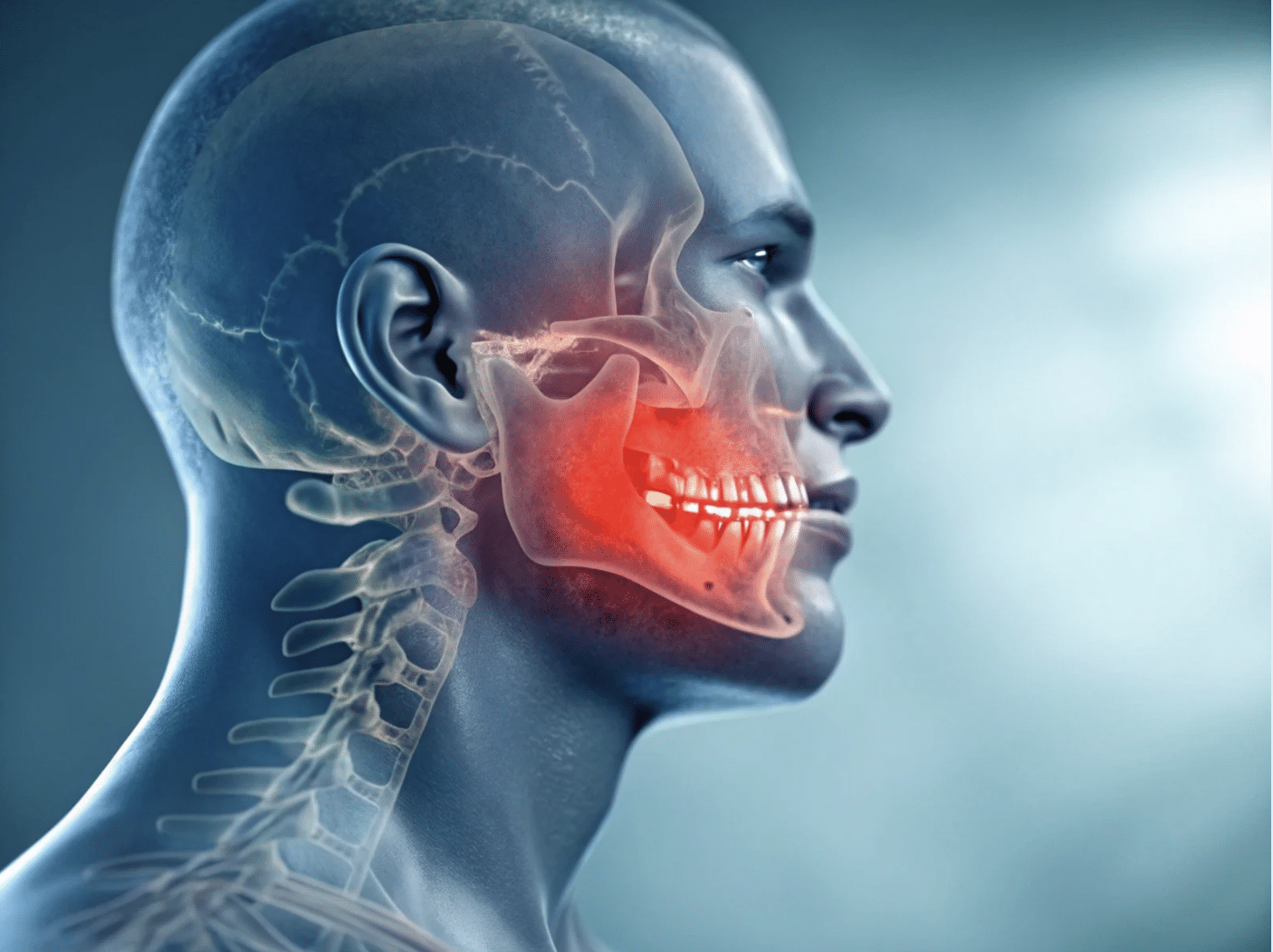
The temporomandibular joint (TMJ) connects your jawbone to the base of your skull on each side of your face. It works as a sliding hinge, letting you talk, chew and yawn. When the joint or the muscles around it are damaged, strained or overworked, a TMJ disorder develops.
Severity varies widely. Some cases are mild and settle on their own; others are persistent and affect daily function. In Singapore, TMJ disorder is most often linked to teeth grinding, dental misalignment, jaw injury and stress-related clenching.
Clicking on its own isn’t always a problem. Many people have a painless jaw click that needs no treatment. Assessment is recommended when the clicking comes with pain, restricted opening, or the jaw locking.
Terms You’ll Hear
TMJ
The joint connecting the jawbone to the skull on each side of the face, enabling chewing, talking and yawning.
TMJ disorder
Pain or dysfunction affecting the TMJ and the muscles that control jaw movement.
Bruxism
Habitual grinding or clenching, most often during sleep. A common cause and consequence of TMJ disorder, but a distinct condition from it.
Occlusal splint
A custom-fitted appliance worn over the teeth to reduce jaw muscle strain and protect against grinding.
Malocclusion
A misaligned bite, which spreads chewing forces unevenly and can place extra stress on the joint.
Arthrocentesis
A minimally invasive procedure that flushes the joint space to reduce inflammation, carried out by an oral and maxillofacial surgeon.
Symptoms of TMJ Disorder
TMJ disorder presents differently in each patient. Some experience localised jaw pain while others have symptoms that radiate to the head, neck and shoulders. If you’re experiencing any of the following, a dental consultation and clinical assessment is recommended.
Jaw Pain and Tenderness
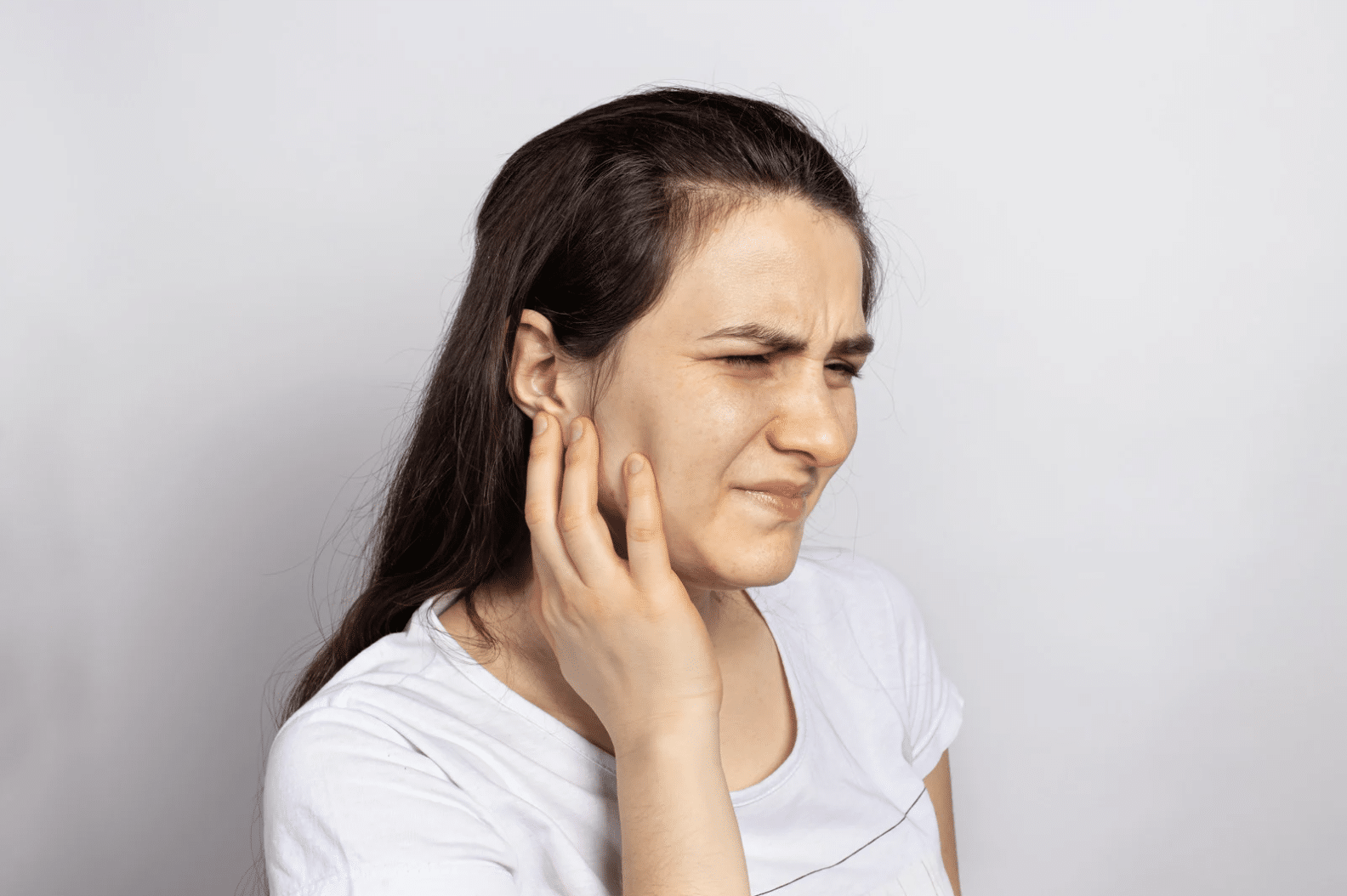
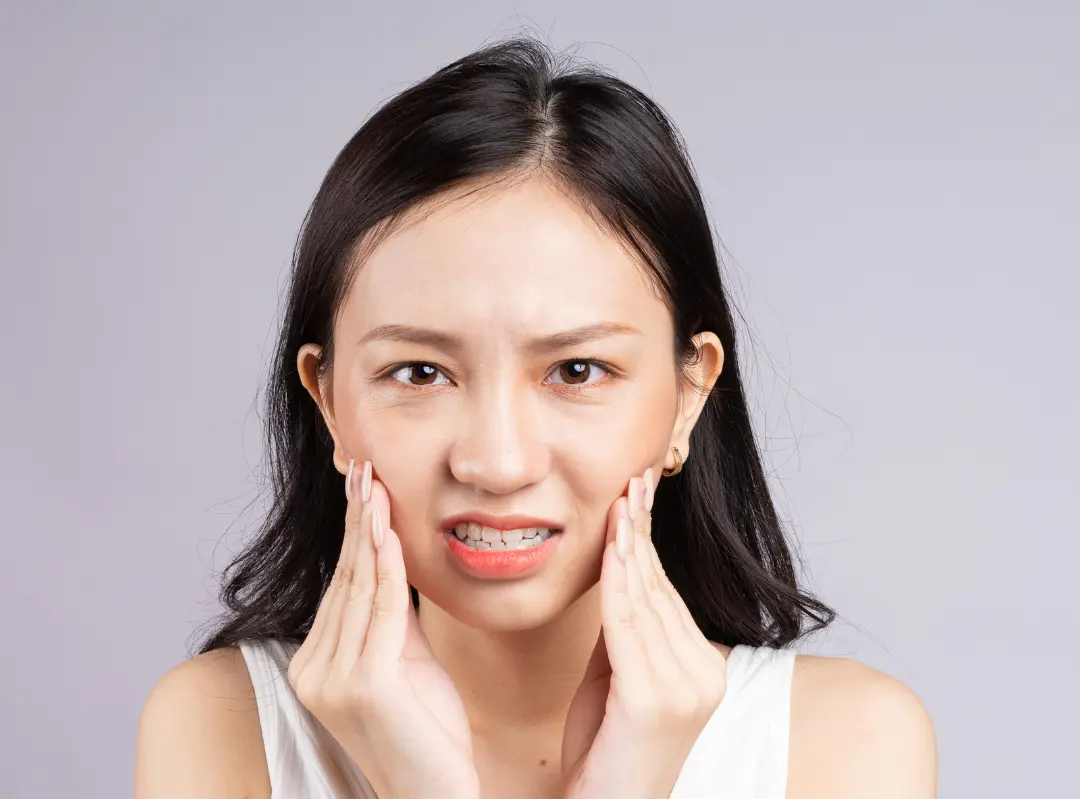
Pain or tenderness around the jaw joint, particularly in front of the ear, is one of the most common presenting symptoms. It may be constant or occur when opening and closing the mouth, chewing or yawning, and can affect one or both sides of the jaw.
Limited Jaw Movement or Jaw Locking
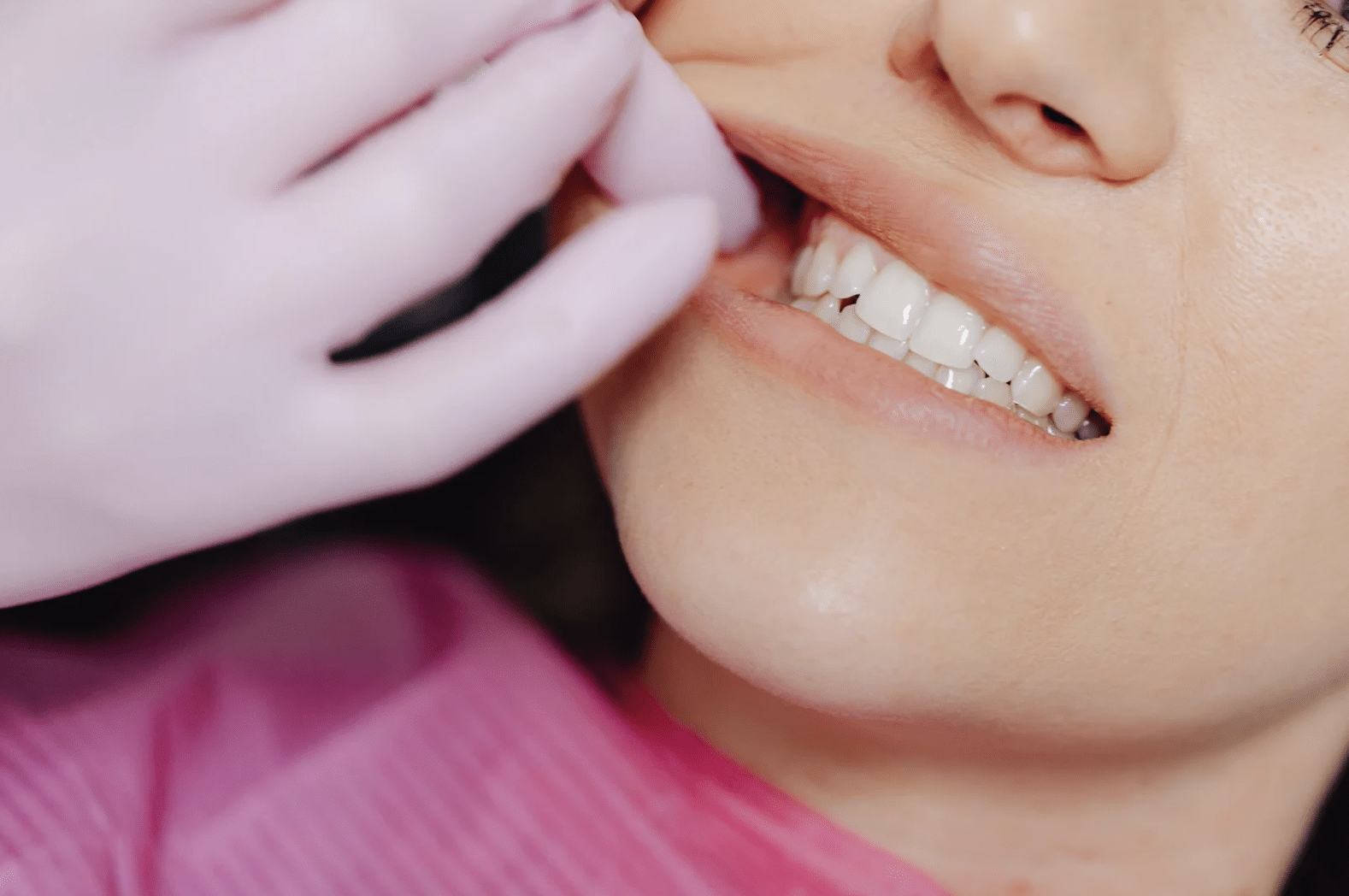
TMJ disorder can restrict how widely the mouth can open, making it difficult to eat, speak or yawn comfortably. In more severe cases the jaw may temporarily lock in an open or closed position, requiring prompt dental attention.
Headaches and Earaches
Because the TMJ sits close to the ear and the surrounding muscles extend across the temples and skull, TMJ disorder commonly causes tension headaches in the temple area and earaches or a sensation of pressure in the ear.

Neck, Shoulder and Facial Pain
Chronic muscle tension associated with TMJ disorder can radiate beyond the jaw to the neck, shoulders and face, particularly upon waking in patients with bruxism.
Teeth Grinding and Clenching
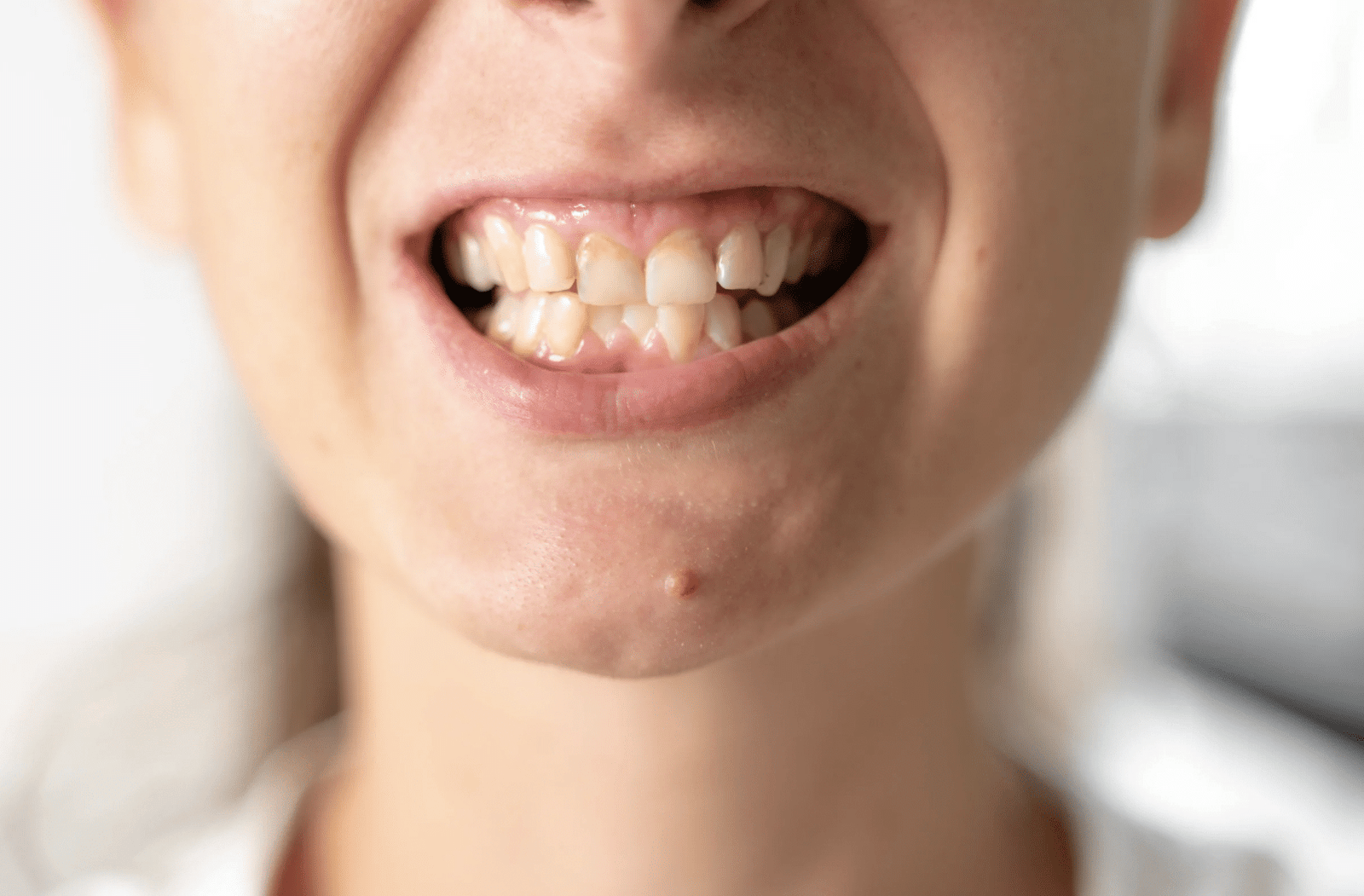
Bruxism places significant repetitive stress on the jaw joint and can lead to tooth wear, cracked teeth and worsening TMJ symptoms over time. A dental assessment can identify signs of bruxism from tooth wear patterns.

Clicking, Popping or Grating Sounds
An audible clicking or popping sensation when moving the jaw occurs when the disc inside the joint shifts out of its normal position. While clicking alone isn’t always painful, it can worsen over time if left unaddressed.
Causes of TMJ Disorder
TMJ disorder rarely has a single cause — it’s usually the result of one or more of the following contributing factors, which is why identifying the underlying driver is the first step in treatment.
Teeth grinding (bruxism)
Repetitive strain from grinding or clenching wears on the joint and surrounding muscles over time. It most often happens during sleep, so many patients are unaware of it until a dentist identifies the wear pattern.
Dental misalignment (malocclusion)
An uneven bite distributes chewing forces unevenly, placing excess stress on the TMJ. Where misalignment is a significant factor, correcting the bite can form part of the longer-term treatment plan.
Jaw injury or trauma
Direct damage to the joint, such as from an impact or a dislocation, can disrupt normal jaw alignment and function — sometimes months or years after the original injury.
Stress
Emotional stress often leads to unconscious jaw clenching and heightened muscle tension, both during the day and overnight. This is one of the more common contributing factors seen in working adults in Singapore.
Arthritis
Breakdown of cartilage within the joint can cause the bones to rub against each other, producing pain, stiffness and a grating sensation on movement.
Genetic or structural factors
Inherited variations in jaw or joint structure, including the shape and position of the joint disc, can predispose some individuals to TMJ dysfunction.
TMJ Disorder Treatment
Options in Singapore
If you’re experiencing TMJ disorder symptoms, it’s important to seek assessment from a dental professional. Our dentists at Meiplus conduct a physical examination, review your medical history, and work to determine the underlying cause of your symptoms — recommending imaging such as an X-ray where needed to assess the joint further. Treatment generally begins with the most conservative option appropriate to your case.
Hot Pack & TMJ Massage
Hot packs and targeted massage of the jaw muscles can help ease pain and improve movement in mild to moderate cases. They are not a cure, and are typically used alongside other treatments rather than on their own.
Cold Spray Application
Cold spray helps relieve TMJ pain and swelling by cooling the area and reducing inflammation, providing quick, short-term relief during a flare-up.
Occlusal Splint (Mouth Guard)
A custom-fitted mouth splint helps reduce TMJ symptoms by supporting and repositioning the jaw, easing pain and improving movement. It is commonly recommended as part of ongoing treatment, particularly for patients with bruxism, and is made from an impression or digital scan of your teeth so it fits only you.
Bite Correction
Where dental misalignment is a significant contributing factor, correcting the bite can reduce the uneven forces placed on the joint. Depending on your case this may involve braces or clear aligners, assessed alongside your TMJ symptoms.
Minimally Invasive & Surgical Options
For patients who don’t respond to conservative treatment, options such as arthrocentesis — a minimally invasive procedure to flush and reduce inflammation in the joint — or, in severe structural cases, open joint surgery may be considered. These are carried out by an oral and maxillofacial surgeon, and are typically reserved as later-stage options after conservative treatments have been tried. Our dentists can refer you where appropriate.
Comparing the Options
| Treatment | Type | Best For |
|---|---|---|
| Hot / cold therapy | Conservative | Mild, occasional symptoms |
| Occlusal splint | Conservative | Bruxism-related TMJ symptoms and ongoing management |
| Bite correction | Corrective | Symptoms driven by dental misalignment |
| Arthrocentesis | Minimally invasive | Cases unresponsive to conservative treatment |
| Open joint surgery | Surgical | Severe structural joint issues (last resort) |
The right option depends on your diagnosis. Your dentist will discuss which treatment, or combination of treatments, is appropriate for your case after assessment.
FAQs on TMJ Treatment
What is TMJ disorder?
TMJ disorder refers to pain or dysfunction affecting the temporomandibular joint — the joint connecting your jawbone to your skull — and the muscles that control jaw movement. It can range from mild, occasional discomfort to a persistent condition affecting daily function.
What are the symptoms of TMJ disorder?
Common symptoms include jaw pain or tenderness, clicking or popping sounds when moving the jaw, limited jaw movement or locking, headaches, earaches, and neck or shoulder pain. Symptoms vary widely between patients and can affect one or both sides of the jaw.
What causes TMJ disorder in Singapore?
TMJ disorder is commonly linked to teeth grinding (bruxism), dental misalignment, jaw injury, stress-related clenching, arthritis, and genetic or structural factors. Most cases involve more than one contributing cause, which is why a clinical assessment is important before starting treatment.
Should I see a dentist or a doctor for TMJ pain?
A dentist is usually the right first point of contact for TMJ symptoms, because the joint, the bite and the teeth need to be assessed together. Your dentist examines jaw movement, bite alignment and tooth wear patterns to identify the likely cause. If your case requires an invasive joint procedure, you may then be referred to an oral and maxillofacial surgeon.
How is TMJ disorder diagnosed?
Diagnosis involves a clinical examination of jaw function, bite alignment, and joint condition, along with a review of your medical history and symptoms. Imaging tests such as X-ray or CT scanning may be recommended to assess the jaw joint in more detail.
What treatments are available for TMJ disorder in Singapore?
Treatment ranges from conservative options such as hot and cold therapy and a custom occlusal splint, through to bite correction where dental misalignment is a contributing factor, and minimally invasive procedures such as arthrocentesis or surgery in severe cases. Your dentist will recommend the most appropriate option based on your specific diagnosis.
What is a mouth splint and how does it help TMJ disorder?
A mouth splint (occlusal splint or bite guard) is a custom-fitted appliance worn over the teeth that helps reduce TMJ symptoms by supporting and repositioning the jaw. It’s commonly recommended for patients with bruxism to reduce grinding-related strain on the joint.
Can correcting my bite help with TMJ symptoms?
Where dental misalignment is a significant contributing factor, correcting the bite can reduce the uneven forces placed on the joint. Depending on your case this may involve braces or clear aligners. Bite correction isn’t appropriate for every TMJ case, so it’s assessed alongside your symptoms rather than assumed.
Is TMJ disorder treatment covered by MediSave or CHAS in Singapore?
Most TMJ treatments, including occlusal splints and other conservative management, are generally considered elective or non-surgical and are not typically MediSave or CHAS claimable. More invasive procedures such as joint surgery may be assessed differently depending on medical necessity — check with our team at consultation for your specific case.
Where can I get TMJ disorder treatment in Singapore?
Meiplus Dentalcare offers TMJ disorder consultation and treatment at two clinic locations — Tanjong Pagar and Marine Parade — with dentists trained at King’s College London, the University of Melbourne, and the National University of Singapore.