Root Canal Treatment
in Singapore
Endodontic treatment to save an infected or damaged tooth, at our Tanjong Pagar and Marine Parade clinics. CHAS subsidies apply for eligible patients.
Root canal treatment (RCT), also called endodontic treatment, removes infected or damaged pulp from inside a tooth, cleans and disinfects the canal system, and seals it to prevent reinfection — allowing the natural tooth to be preserved instead of extracted. In Singapore, cost varies by tooth type, since front teeth have fewer canals than premolars and molars, and a dental crown is usually recommended afterward to protect the treated tooth. Root canal treatment is CHAS subsidised for eligible Pioneer Generation, Merdeka Generation, CHAS Blue and CHAS Orange cardholders, and from mid-2026 seniors aged 60 and above will also be able to use Flexi-MediSave to offset up to $400 a year on root canal treatment and permanent crowns at CHAS dental clinics.
What Is Root Canal Treatment (RCT)?
Root canal treatment — also known as RCT or endodontic treatment — treats a tooth whose pulp has become infected or severely damaged. When bacteria reach the pulp through deep decay, a cracked tooth or dental trauma, infection can develop rapidly and spread into the surrounding bone if left untreated.
The treatment removes the infected pulp, cleans and disinfects the inner canal system, and seals it to prevent reinfection. This preserves your natural tooth structure and avoids extraction and tooth replacement. A dental crown is typically placed over the tooth afterward to restore its strength and function.
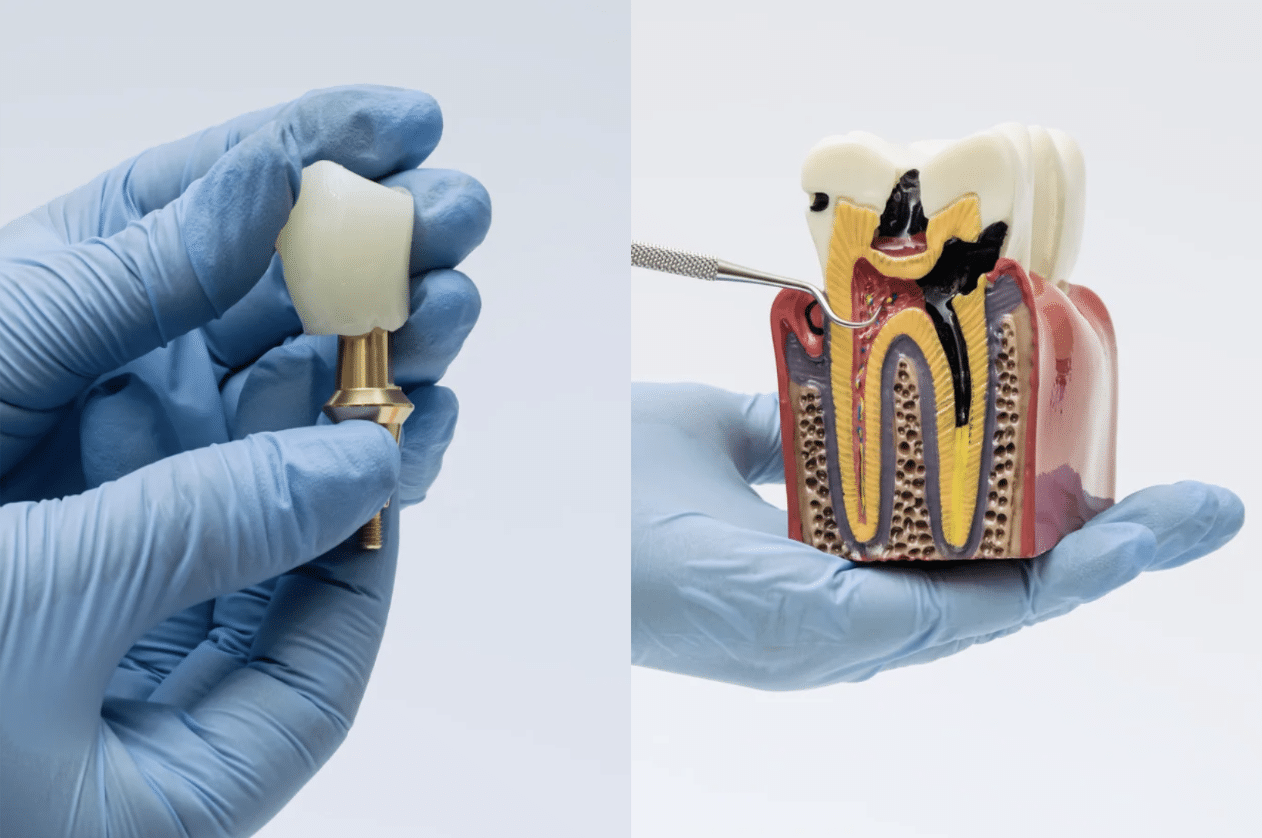
“RCT” and “root canal treatment” mean the same thing. You may also hear it called endodontic treatment, or simply a root canal. All four terms describe the same procedure.
Terms You’ll Hear
- Root canal treatmentRCT
- Removal of infected or damaged pulp from inside a tooth, followed by cleaning, disinfecting and sealing the canal system. “RCT” and “root canal treatment” are used interchangeably.
- Endodontic treatmentthe clinical term
- The formal name for root canal treatment — “endo” referring to the inside of the tooth.
- Pulpthe tooth’s soft centre
- The soft tissue inside a tooth containing nerves and blood vessels, located within the pulp chamber and root canals.
- Gutta-perchathe canal filling
- A biocompatible, rubber-like material used to fill and seal the cleaned root canal after the infected pulp is removed.
- Periapical infectiondental abscess
- An infection that has spread beyond the tooth’s root tip into the surrounding bone, often causing swelling or a gum pimple.
- Anterior, premolar, molartooth positions
- Anterior teeth are the front teeth and have the fewest canals; premolars sit behind them; molars are at the back and have the most canals. Cost and complexity rise from front to back.
Signs You May Need
Root Canal Treatment
The following symptoms may indicate that the pulp of a tooth has become infected or damaged. A clinical assessment including X-ray imaging is needed to confirm the diagnosis and determine the appropriate treatment.
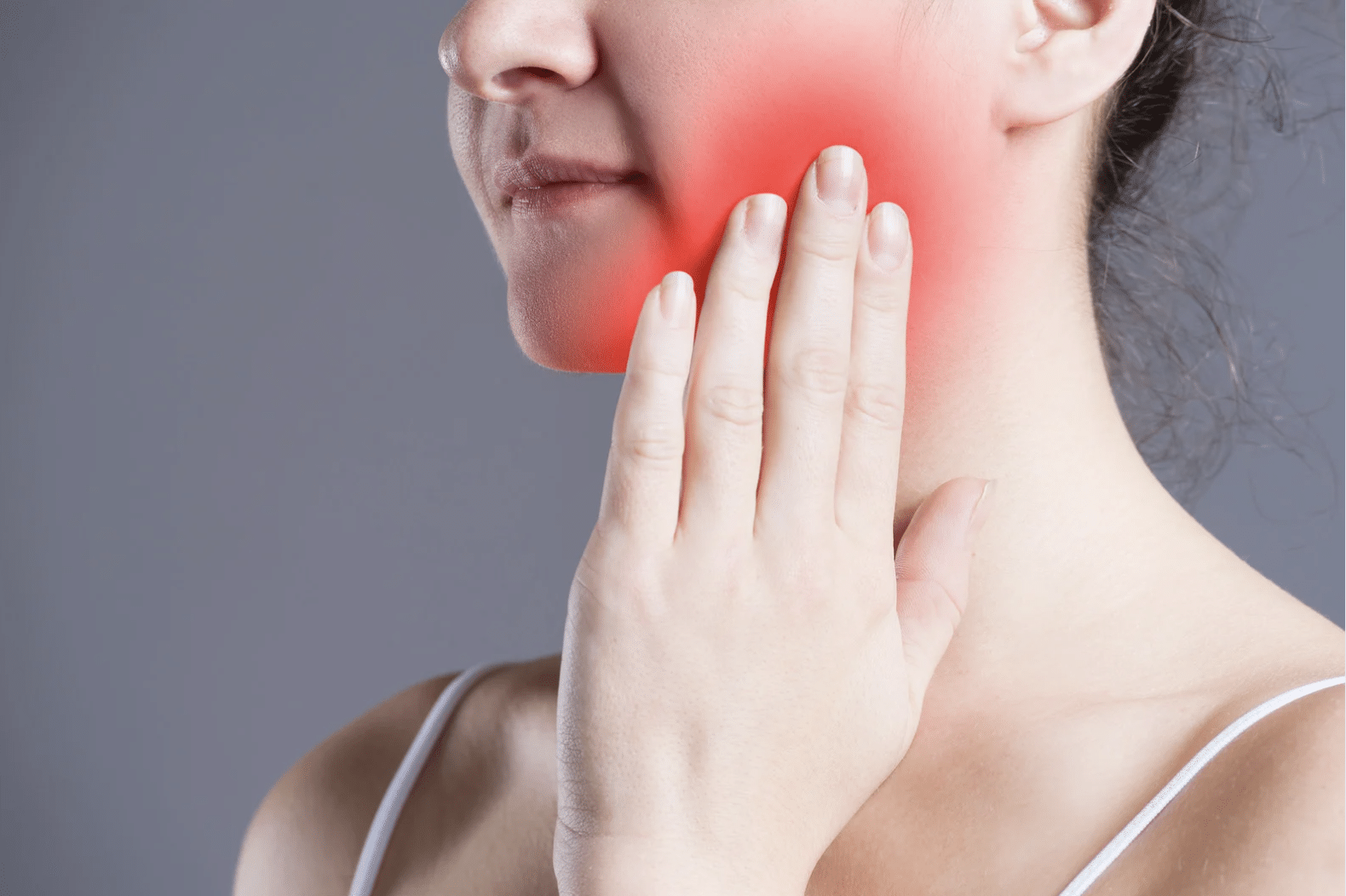
Persistent or Severe Toothache
A persistent, deep toothache that doesn’t resolve may indicate pulp infection. The pain may be localised to one tooth or radiate to the jaw, ear or head, and typically cannot be resolved with over-the-counter pain relief alone.

Prolonged Sensitivity to Heat or Cold
Sharp or lingering pain that continues well after eating or drinking something hot or cold — rather than fading quickly — can be a sign that the pulp inside the tooth is inflamed or infected and no longer able to recover on its own.

Pain When Biting or Chewing
Discomfort or pain when applying pressure to a tooth during biting or chewing can be a sign of pulp involvement or periapical infection, and often accompanies other signs of pulp damage.
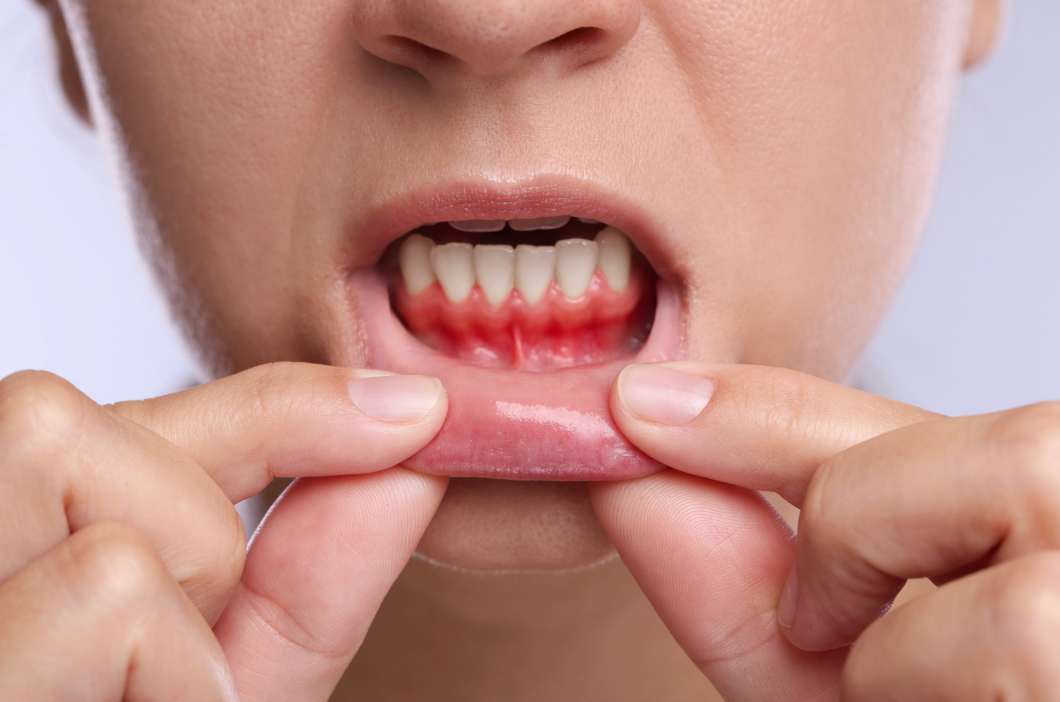
Swollen or Tender Gums
Swelling, tenderness or a visible raised bump on the gum near an affected tooth may indicate a dental abscess — a pocket of infection at the root tip that requires prompt treatment to stop it spreading.
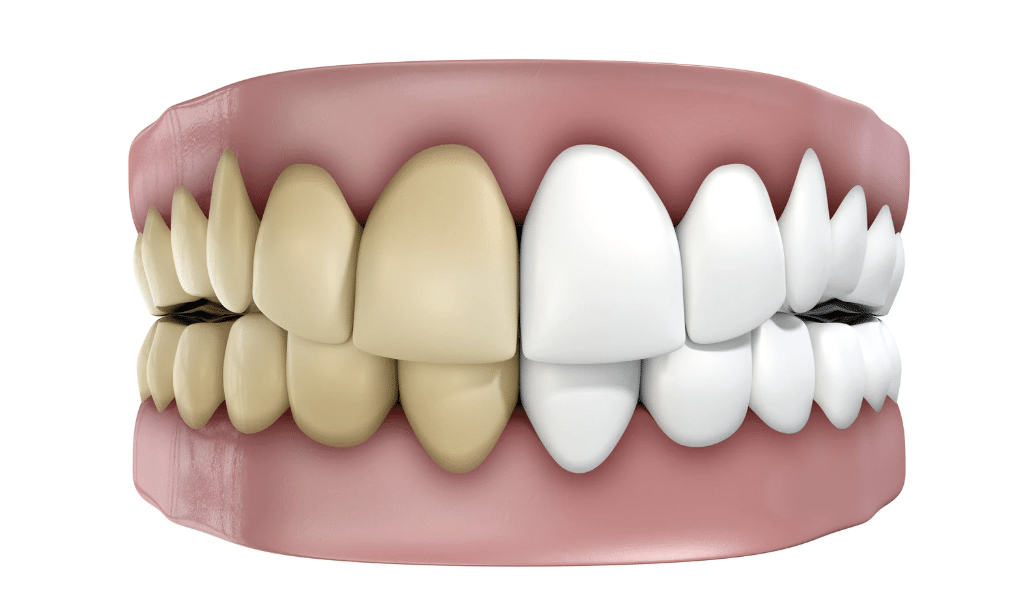
Tooth Discolouration
A tooth that has darkened or developed a grey or yellow tint may indicate internal pulp damage, occurring after trauma or as the pulp breaks down internally. This alone doesn’t always mean infection, but it warrants assessment.
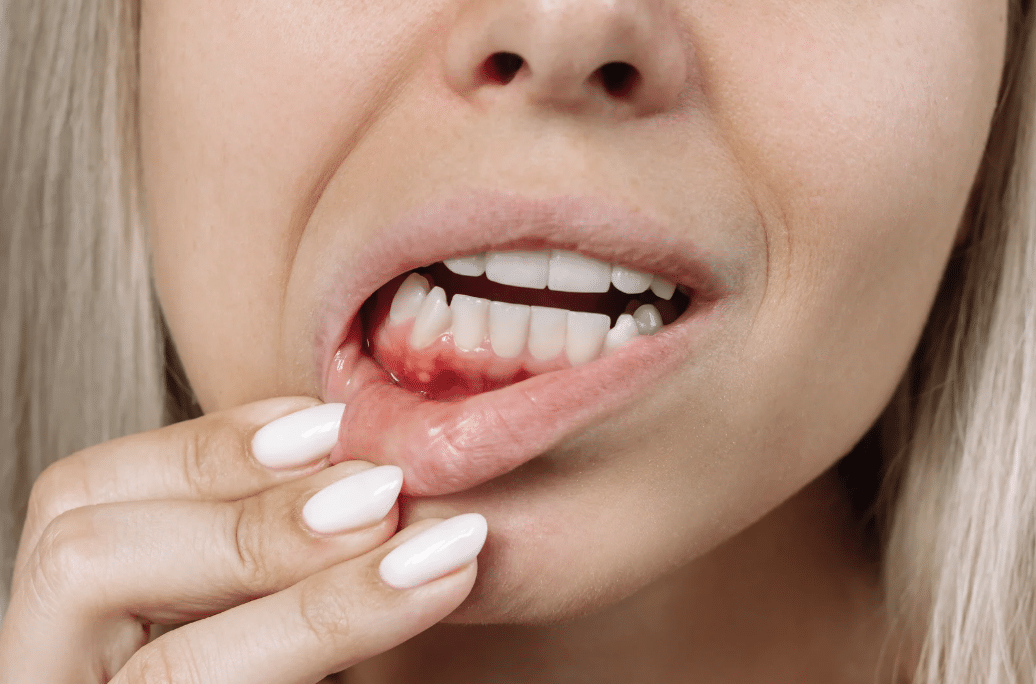
Recurring Gum Pimple
A small pimple-like bump on the gum (a dental sinus or fistula) that appears, disappears and recurs is a sign of chronic infection draining from the root of a tooth — a clear indicator that endodontic evaluation is needed.
Root Canal Treatment vs
Tooth Extraction
When a tooth is severely infected or damaged, the two main options are root canal treatment (saving the tooth) or extraction (removing it). Root canal treatment is generally preferred where the tooth can be predictably restored, since it preserves your natural tooth, maintains normal chewing function and bite alignment, and prevents neighbouring teeth from shifting into the gap over time. Extraction may be recommended instead when the tooth is too damaged, fractured or infected to be reliably saved.
| Root Canal Treatment | Extraction | |
|---|---|---|
| Preserves natural tooth | Yes | No — tooth is removed |
| Effect on bite and chewing | Minimal — function restored | May need a bridge or implant to replace |
| Neighbouring teeth | Unaffected | May shift over time if not replaced |
| Follow-up treatment | Dental crown recommended | Implant, bridge or denture often needed |
| Typical experience | Comparable to a routine filling under anaesthesia | Local anaesthesia; more post-op tenderness for surgical cases |
Which option is appropriate depends on how much healthy tooth structure remains. Your dentist will assess this clinically and on X-ray before recommending either.
Root Canal Treatment
Procedure
Root canal treatment at Meiplus Dentalcare is carried out over two to three appointments, depending on the complexity of the case and the number of canals in the affected tooth. It begins with a clinical examination and periapical X-ray to evaluate the extent of infection and the anatomy of the root canal system.
- 1
Anaesthesia and access
Local anaesthesia is administered to the affected tooth and surrounding tissue for your comfort. Once numb, the dentist creates a small opening through the crown of the tooth to reach the pulp chamber and root canals.
- 2
Pulp removal and canal cleaning
Using specialised endodontic instruments, the infected or damaged pulp tissue is carefully removed. The canals are systematically cleaned, shaped and disinfected using antimicrobial irrigation to eliminate bacteria.
- 3
Canal filling and sealing
The cleaned canals are filled with gutta-percha and sealed with a dental adhesive to prevent bacteria from re-entering. A temporary filling protects the tooth between appointments.
- 4
Crown placement
A dental crown is recommended after treatment to protect the tooth from fracture and restore full chewing function. The crown is custom-made at a dental laboratory and cemented into place at a final appointment.
Recovery After
Root Canal Treatment
Most patients return to normal activities within 24 hours of each appointment. Mild tenderness or sensitivity around the treated tooth for two to three days afterward is normal and usually manageable with over-the-counter pain relief.
Back to normal activities. The anaesthesia wears off over a few hours — avoid chewing until sensation returns fully.
Mild tenderness around the tooth is expected as the surrounding tissue settles. Over-the-counter pain relief is usually enough.
Avoid chewing directly on the treated tooth. The temporary filling is not designed to withstand full biting force.
Brush twice daily, floss once a day, and use an antibacterial mouthwash if recommended, to protect the crown and surrounding teeth from further decay.
When to call us
Contact the clinic if you have severe pain or swelling that worsens rather than settles, pain lasting beyond a few days, an uneven bite after treatment, or if your temporary filling comes loose. These are uncommon, but each is worth checking promptly.
Root Canal Treatment
Cost in Singapore
Cost depends on which tooth is treated, the number of canals and the complexity of the case. Front teeth have fewer canals and are less complex than premolars and molars, so treatment cost rises from the front of the mouth to the back.
| Treatment | Fee* |
|---|---|
| Root canal — front toothAnterior. Fewest canals, least complex. | From $600 |
| Root canal — premolarSits between the front teeth and molars. | From $800 |
| Root canal — molarBack teeth. Most canals, most complex. | From $1,200 |
| Permanent crownRecommended after treatment. Priced separately. | From $1,000 |
What affects the final cost
- Which tooth is treated — molars have more canals than front teeth and take longer
- The number and shape of the canals found on X-ray
- Whether the tooth has been treated before and needs re-treatment
- Whether a permanent crown is required afterward, which is priced separately
*Prices stated are estimates and subject to prevailing GST. Fees shown are the lowest across our Tanjong Pagar and Marine Parade clinics. Final treatment cost depends on the tooth treated and case complexity, and is confirmed after consultation and X-ray assessment.
FAQs on Root Canal Treatment
What is root canal treatment (RCT)?
Root canal treatment, or RCT, is a dental procedure that removes infected or damaged pulp from inside a tooth, cleans and disinfects the canal system, and seals it to prevent reinfection. It allows the natural tooth to be preserved instead of extracted, and is typically followed by a dental crown.
Is root canal treatment painful?
Root canal treatment is performed under local anaesthesia and most patients find it comparable to getting a routine filling. Mild tenderness around the treated tooth for two to three days afterward is normal and usually manageable with over-the-counter pain relief.
How many appointments does root canal treatment take?
Root canal treatment at Meiplus Dentalcare is typically carried out over two to three appointments, depending on case complexity and the number of canals in the affected tooth, plus a final appointment for crown placement.
What’s the difference between root canal treatment and tooth extraction?
Root canal treatment saves and preserves your natural tooth by removing the infected pulp and sealing the canal, while extraction removes the tooth entirely. Root canal treatment is generally preferred where the tooth can be predictably restored, since it maintains normal chewing function and prevents neighbouring teeth from shifting.
Do I need a crown after root canal treatment?
In most cases, yes. A dental crown is recommended after root canal treatment to protect the treated tooth from fracture and restore its full chewing function, since the tooth structure is more brittle after the procedure.
How much does root canal treatment cost in Singapore?
At Meiplus Dentalcare, root canal treatment starts from $600 for a front tooth, $800 for a premolar and $1,200 for a molar, with a permanent crown from $1,000, priced separately. Cost rises with the number of canals and the complexity of the case, and whether the tooth has been treated before. Fees shown are the lowest across our Tanjong Pagar and Marine Parade clinics. A personalised estimate is provided after consultation and X-ray assessment, and prices are subject to prevailing GST.
Can I use MediSave or CHAS for root canal treatment?
Root canal treatment is subsidised under CHAS for Pioneer Generation, Merdeka Generation, CHAS Blue and CHAS Orange cardholders. Maximum subsidies per claim range from $217.50 to $336 for a front tooth, $308.50 to $472.50 for a premolar, and $389.50 to $594.50 for a molar, depending on your card type. CHAS Green does not cover root canal treatment. From mid-2026, seniors aged 60 and above will also be able to use Flexi-MediSave to offset up to $400 a year on root canal treatment and permanent crowns at CHAS dental clinics.
What are the signs I might need root canal treatment?
Common signs include persistent or severe toothache, prolonged sensitivity to hot or cold, pain when biting or chewing, swollen or tender gums, tooth discolouration, and a recurring pimple-like bump on the gum. A clinical assessment with X-ray is needed to confirm whether root canal treatment is required.
How long does recovery take after root canal treatment?
Most patients return to normal activities within 24 hours of each appointment. Mild tenderness for two to three days is normal. Avoid chewing on the treated tooth until your permanent crown is placed.
Where can I get root canal treatment in Singapore?
Meiplus Dentalcare offers root canal treatment consultations and procedures at two clinic locations in Singapore — Tanjong Pagar and Marine Parade — with Singapore-registered dentists trained at King’s College London, the University of Melbourne, and the National University of Singapore.
Dental Clinics Near You
With a friendly team, internationally trained dentists, and advanced digital dentistry, we deliver comprehensive dental care in full compliance with MOH standards.